One dataset. Every framework.
Baseline is built around a single idea: the hard part of carbon accounting is not the calculation, it is the collection. Everything else follows from getting real numbers in.
Supplier data collection
You upload your supplier list. Baseline sends each of them a structured request for the data you actually need, in a form they can complete without prior knowledge of the GHG Protocol.
- Supplier portal that works on a low-bandwidth mobile connection
- Automated reminders and escalation paths
- Data quality score on every submission, from primary measured to estimated
- Suppliers reuse one profile across every customer who asks
Your own operations
Scope 1 and 2 from meter data, fuel purchases, fleet records and utility bills. Upload by spreadsheet or connect a source directly. Baseline handles the unit conversions and flags gaps in the period rather than silently filling them.
Emission factor database
Factors maintained for African markets: national grid intensities, local fuel specifications, regional transport and waste factors, with international defaults where no local factor exists. Every factor is versioned, so a recalculation two years from now reproduces the same result.
Reporting
Generate reporting for GHG Protocol, TCFD, CDP, CSRD and SBTi from the same underlying data, plus CBAM reports broken down by installation and CN code for exporters into the EU.
Audit trail
Every number carries its provenance: source document, submitting party, timestamp, factor applied and factor version. Verifiers get read-only access to the evidence rather than an email thread.
Implementation
Typical rollout runs six to ten weeks: scoping and boundary setting, data source mapping, a pilot on a defined slice of the supply chain, then full onboarding and your first reporting cycle. We do the supplier outreach with you for the first round rather than handing you a login and wishing you luck.
What it looks like
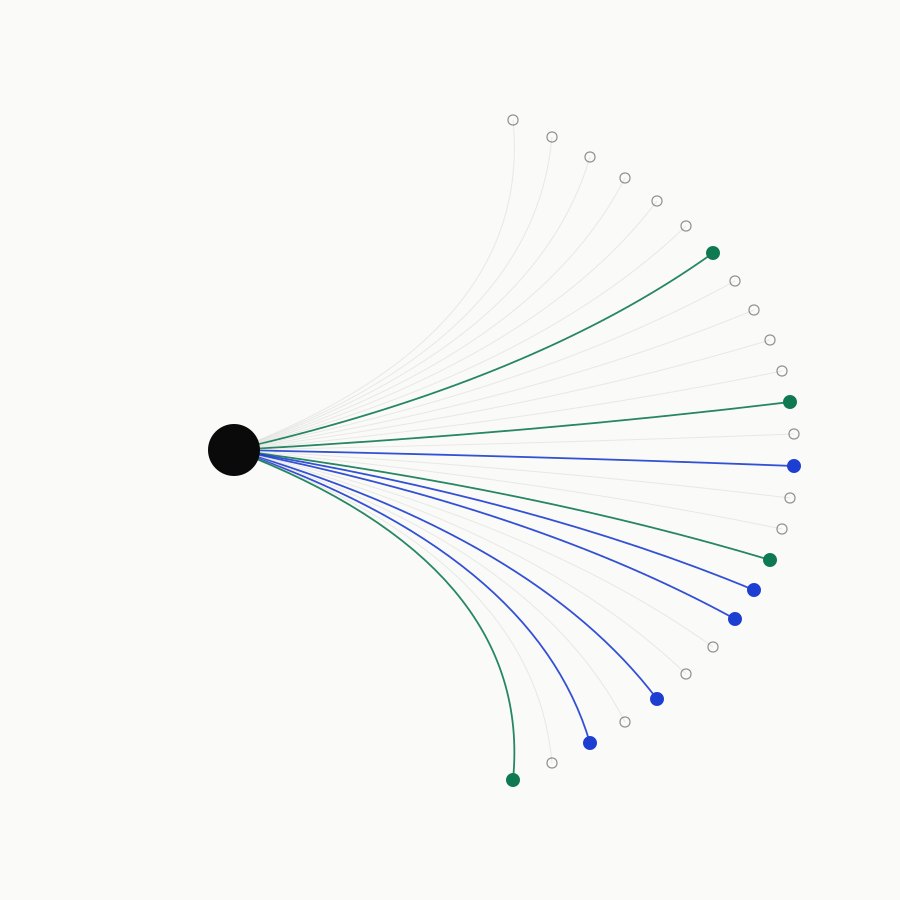
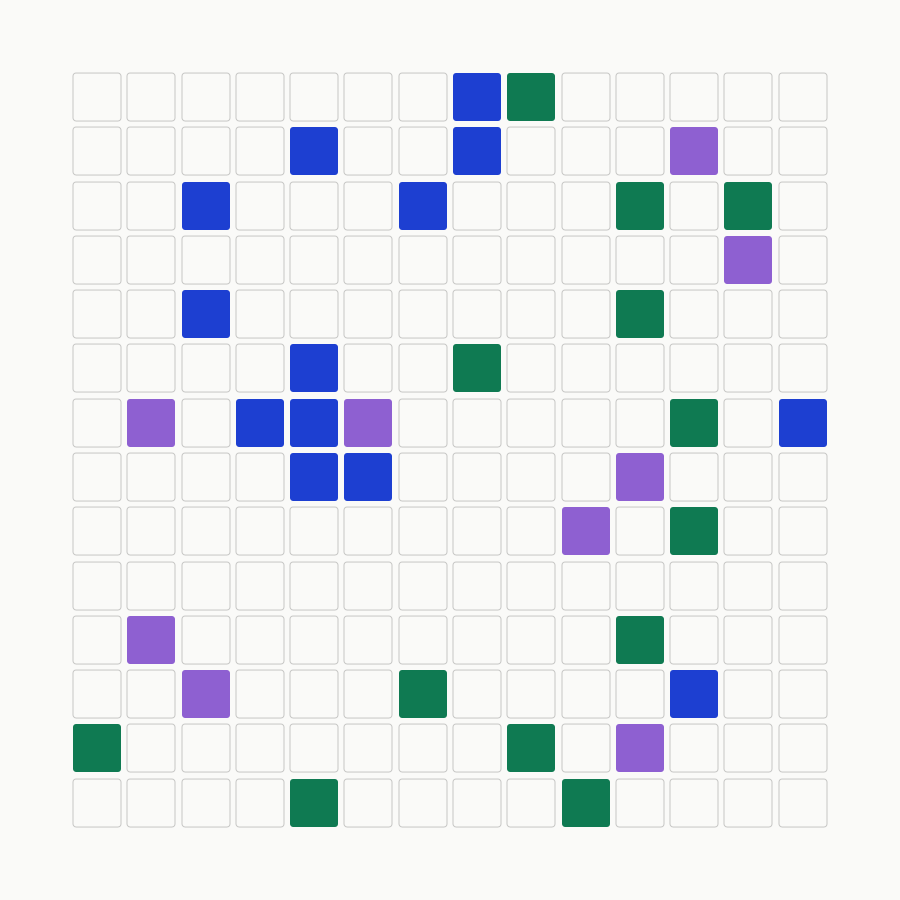
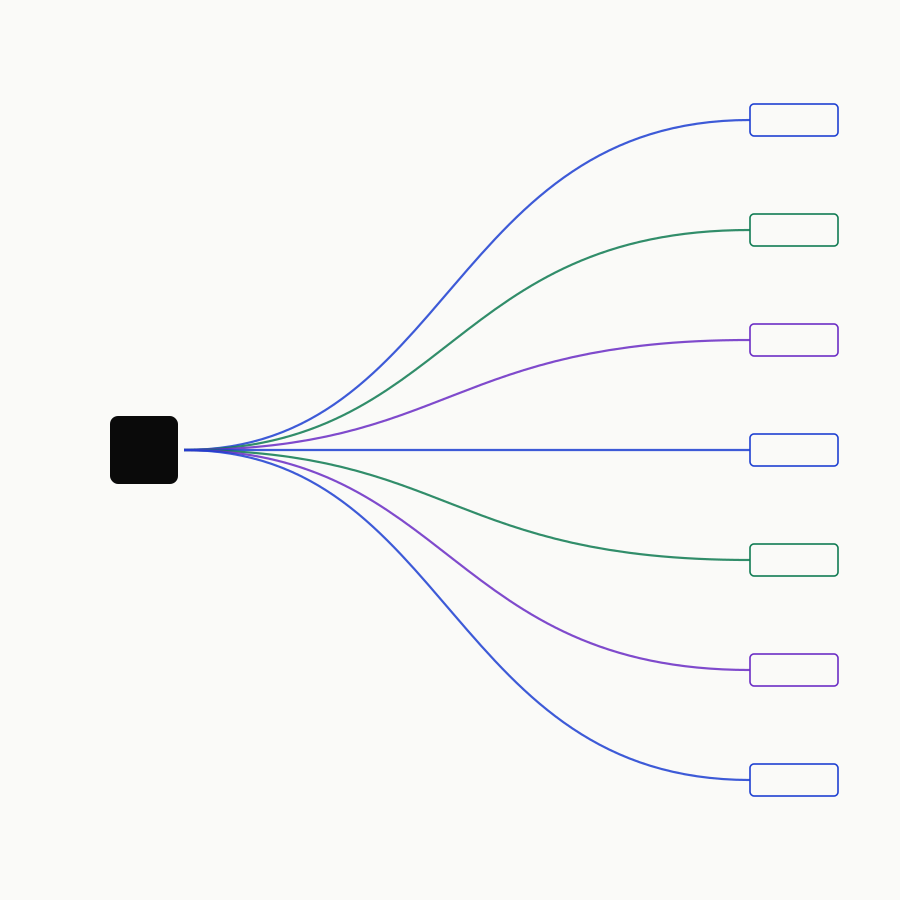
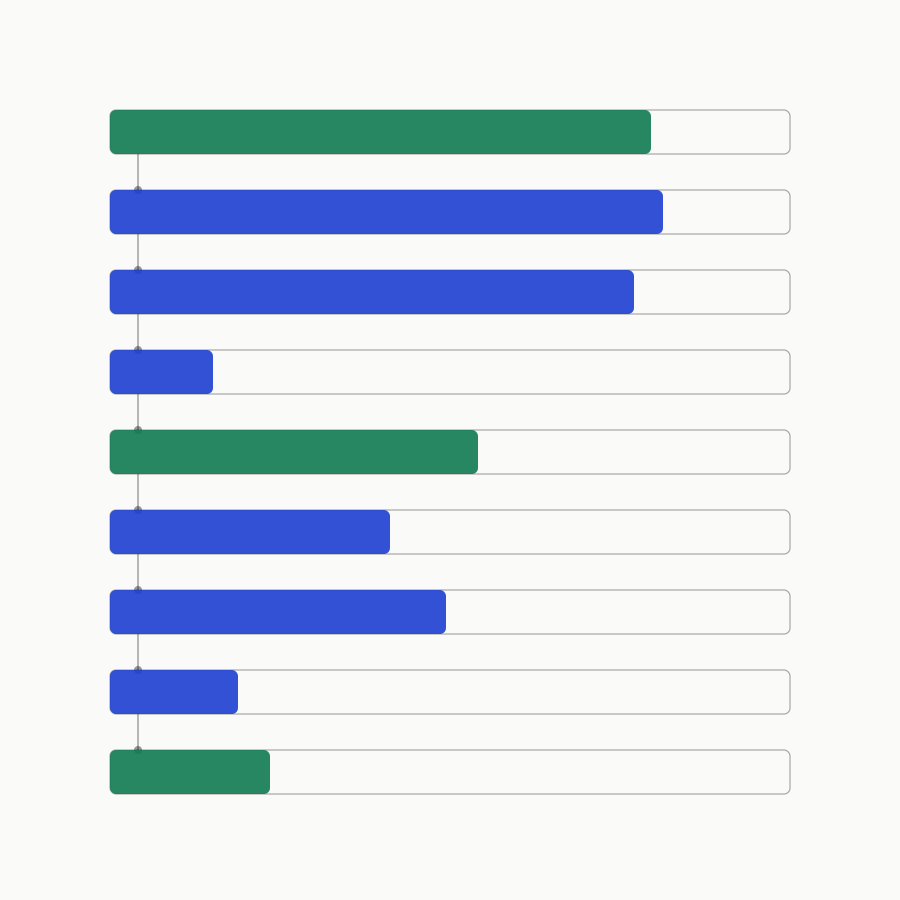
Four views of the same dataset.
See it against your own supply chain.
Bring a supplier list and one reporting period. We will show you the gap.